Four Years in a Drawer: The Team That Swore Off Spending Its Cup Winnings
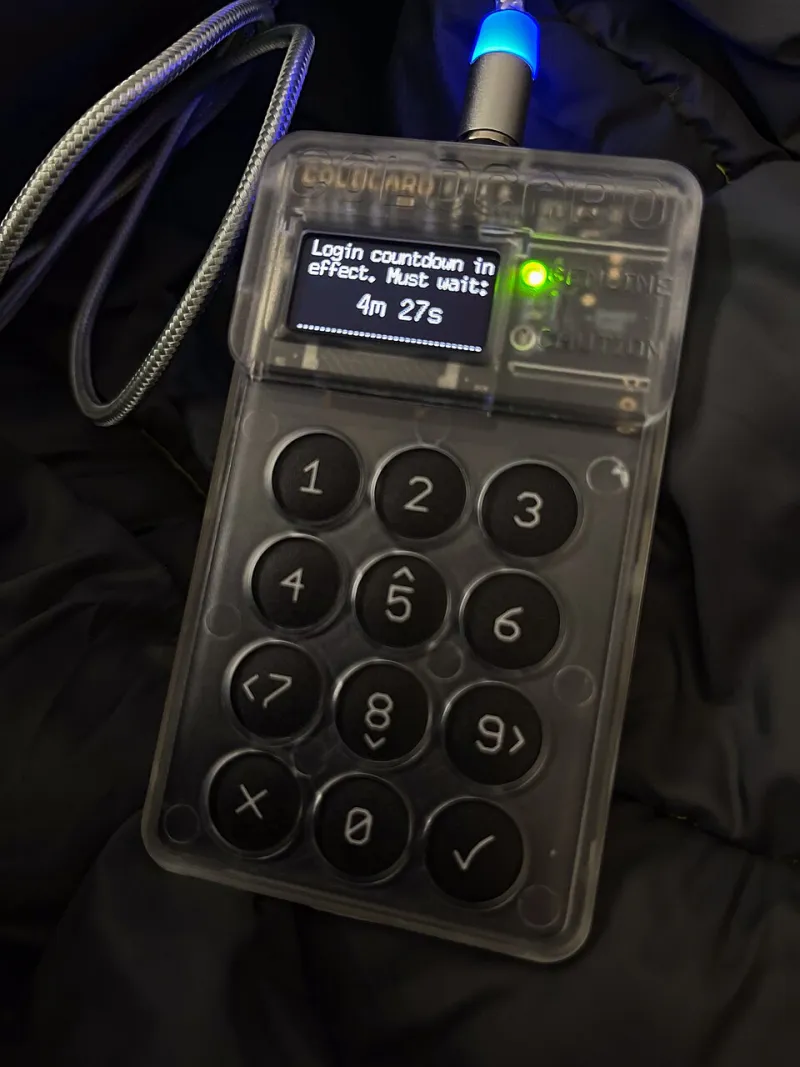
Photo: Tony Webster, CC BY 2.0, via Wikimedia Commons
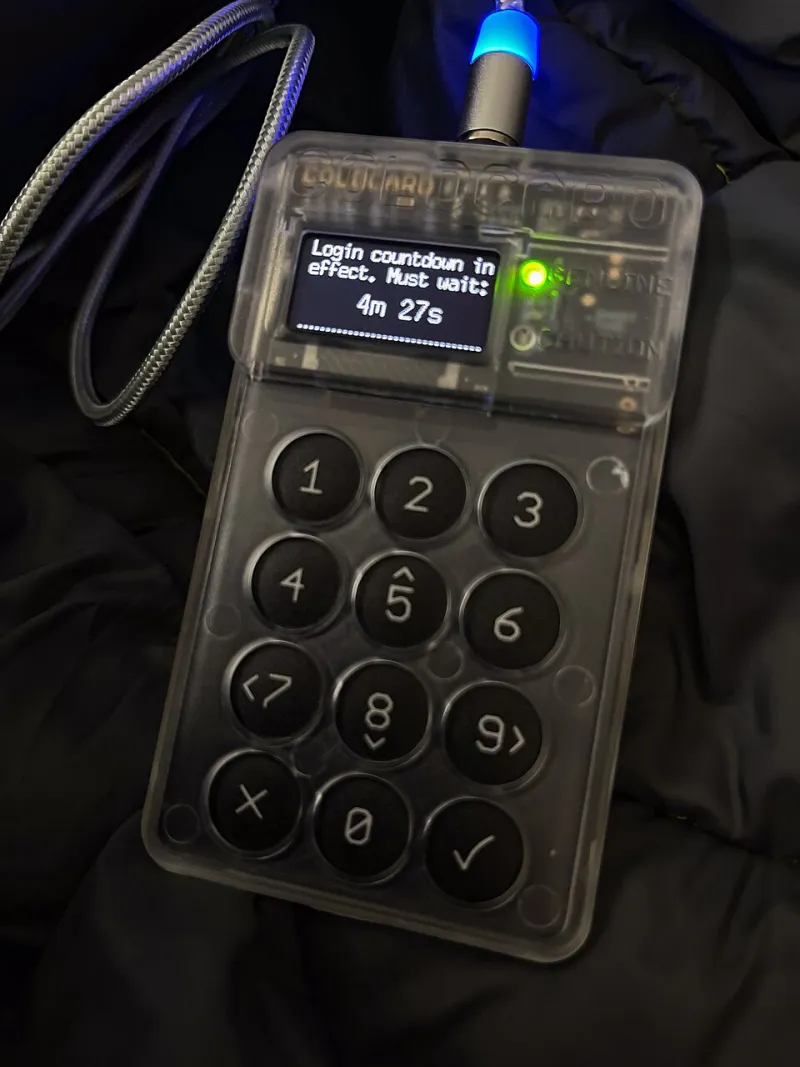
Every Cup has its story. Last edition, it wasn't a bicycle kick or a penalty shootout that dominated the group chats — it was a hardware wallet the size of a USB stick, sitting in a safe somewhere in Austin, Texas.
The team everyone now calls the Cold Wallet Cup champions made a promise before the opening whistle: whatever they won, they wouldn't touch. Not a coffee, not a jersey, not a single satoshi until the next edition of the Bitcoin Football Cup rolled around. They won the whole thing. And they kept the promise.
The Pact That Started It All
It began, according to team captain Marcus Delgado, as a joke in the locker room. "Someone said we'd probably blow the prize pool on sneakers and steak dinners by Friday," he told us. "Our goalkeeper — total crypto nerd — said, 'What if we just... didn't?'"
Within a week, the entire squad had signed what they dubbed the Drawer Agreement. All winnings, roughly the equivalent of a solid mid-tier prize pool in Bitcoin, would be swept into a single multisig cold wallet. Three keys. Three players. No spending until the next Cup.
The security logic is actually sound. Hardware wallets keep private keys offline, away from exchange hacks, phishing scams, and the 2 a.m. impulse trade that has bankrupted better men than professional footballers. Multisig means no single player can move the funds alone. It's the same setup institutions use — applied to a bunch of guys who mostly talk about fantasy football.
The Backlash Nobody Predicted
Here's where it gets spicy. Fans who had backed the team in prediction pools — some of them personally — felt stiffed. The players' winnings were partly funded by fan-token appreciation and community prize pools, and when the squad refused to circulate any of it back into the fan economy, the murmurs started.
By the second week of the knockout rounds, the phrase "vault stinginess controversy" was trending in Cup fan forums. Critics called the move performative — a marketing flex disguised as financial discipline. Defenders pointed out that nobody tells a player what to do with a signing bonus.
"It's their money," said one longtime Cup fan from Ohio. "But part of the fun of crypto is the ecosystem. When winners hodl everything, the whole community feels it."
What It Says About American Crypto Culture
Strip away the drama and the Cold Wallet Cup story is a genuinely American one. This is a country where retirement accounts are sacrosanct, where "set it and forget it" investing is a cultural touchstone, and where the 401(k) mindset has quietly migrated into crypto. Locking up winnings for four years isn't stinginess — it's dollar-cost averaging's rowdier cousin.
Compare that to earlier Cup editions, where winners famously torched their prize pools on Lambos, watch collections, and one legendary (and disastrous) altcoin portfolio. The vault squad's approach reads like a generational shift: less casino, more savings account.
There's also a team-chemistry angle that coaches across the league have started studying. Shared sacrifice, shared lockup, shared upside. Sports psychologists will tell you nothing bonds a squad like a common goal — and nothing tests it like knowing your teammates hold two of the three keys.
Will They Break the Seal?
The Drawer Agreement expires when the next Cup kicks off. Rumors suggest the team will either convert everything to fund a youth football academy or — in a move that would break the internet — roll the entire stack into this edition's own prediction pools, becoming the tournament's largest single whale.
Either way, the movement is already spreading. At least three squads in this year's bracket have announced partial cold-storage pledges, and fan tokens named after hardware wallets briefly pumped on the news.
The lesson for Cup fans and bettors alike: in crypto, sometimes the boldest play is the one where you do absolutely nothing. Ask the guys with the drawer.