The Perfect Storm: What If the Cup Final Landed on a Bitcoin Halving Day?
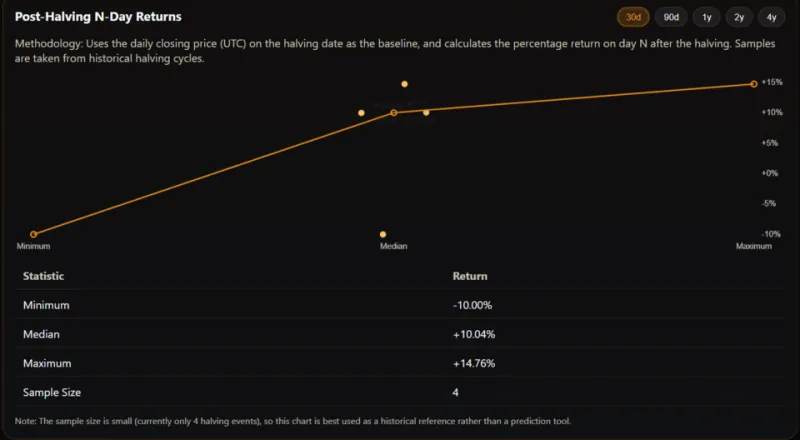
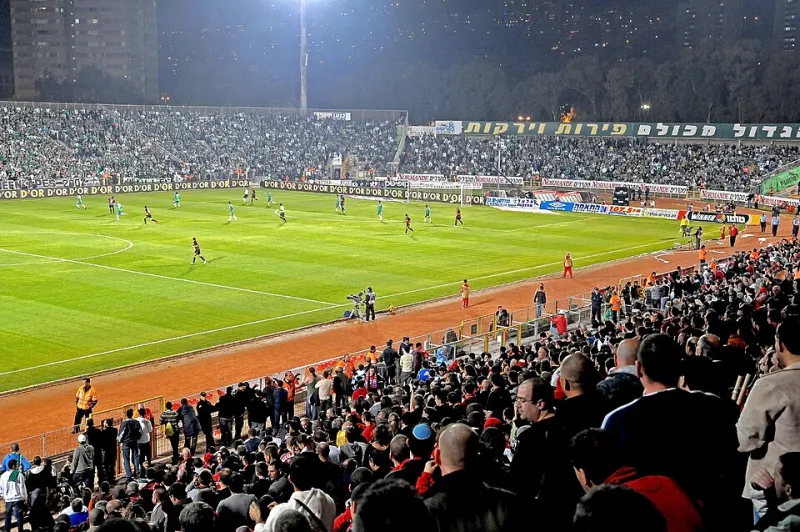
Photo: Btbjbco, CC BY-SA 4.0, via Wikimedia Commons
Let me paint you a scenario that should keep every Cup organizer up at night — and every fan grinning like they just hit a parlay.
The Cup final is scheduled roughly four years out from the last one, give or take scheduling chaos. Bitcoin halvings happen roughly every four years, give or take block-time chaos. Two events, both on four-year clocks, both with dates that wobble. It is entirely possible — maybe even likely, eventually — that the Cup final and the next halving land within days of each other. Maybe even the same day.
And if that happens, the tournament will face a question no rulebook currently answers: what is a prize pool actually worth?
The Overnight Windfall Problem
Here's the mechanics of it. Prize pools at the Cup are denominated in BTC. Historically, halvings have preceded serious price appreciation — not instantly, not always, but the pattern is baked into every chart on every trading terminal in America.
Now imagine the final wraps on a Saturday night. The winning prediction pool holds 25 BTC. Monday morning, the halving hits, the market does what markets do, and that pool's dollar value jumps 40% before most fans have finished their coffee.
Who gets that upside? The winners who cashed out Saturday night? The ones still holding? The tournament? Right now, the answer is "whoever's fastest," which is a terrible answer for an institution trying to build trust.
The inverse scenario is uglier. Halving-day sell-the-news is a real phenomenon. A pool worth $2 million on Saturday could be worth $1.3 million by Tuesday. Someone's prize just shrank because of macro economics, and good luck explaining that to a fan who predicted the entire bracket correctly.
Lock It or Ride It?
You've basically got three options, and each has a constituency.
Lock payouts at final whistle. Snapshot the BTC/USD price the moment the trophy is lifted. Clean, fair, done. The downside: if the halving pumps the price, winners feel robbed of a windfall, and you'll hear about it on every podcast for a year.
Let holders ride. Payouts stay in BTC, winners decide when to sell. This respects the crypto ethos — self-custody, self-timing. The downside: it turns prize collection into a trading decision. Grandma just won the prediction pool and now she's watching candlesticks at 2 a.m.
Split the difference. Half locked in dollars at final whistle, half delivered in BTC the winner can hold or sell. Nobody gets the full windfall, nobody eats the full drawdown. Boring. Probably correct.
The Case for a Volatility Clause
This is where I plant my flag: the Cup rulebook needs an explicit volatility clause, written before it's needed, not improvised during a crisis.
The clause should do three things. First, define the moment of valuation — a single, timestamped price feed, publicly auditable, no discretion. Second, give winners a standard election window: 72 hours to choose dollar-locked, BTC-held, or the 50/50 split. Third, cap the tournament's own exposure so the organization isn't secretly betting the house on Bitcoin's direction.
Traditional sports solved this decades ago. NBA contracts don't fluctuate with ticket sales. Player salaries are denominated in dollars precisely because everyone agreed that payroll shouldn't be a casino. Crypto tournaments want to have it both ways — the marketing glow of paying in Bitcoin and the stability of a traditional league. You can't. Pick a lane, and write it down.
The Opportunity Hiding in the Problem
Here's the fun part, though. Handled well, a halving-day final isn't a liability — it's the greatest marketing moment in the tournament's history. "The night the blocks halved and the Cup was won" writes itself. Imagine a live halving countdown on the stadium jumbotron, the 21 millionth bitcoin lore woven into the trophy ceremony, a commemorative mint for attendees.
The collision is coming eventually. The four-year clocks are ticking in parallel. The tournaments that thrive will be the ones that wrote the rules before the storm hit — and the fans who win big will be the ones who read them.
Lock the clause. Ride the story. And maybe, just maybe, schedule the final for halving day on purpose.