Vesting Season: The Night-Shift Crews Trading Sponsor Tokens Like Rookie Cards
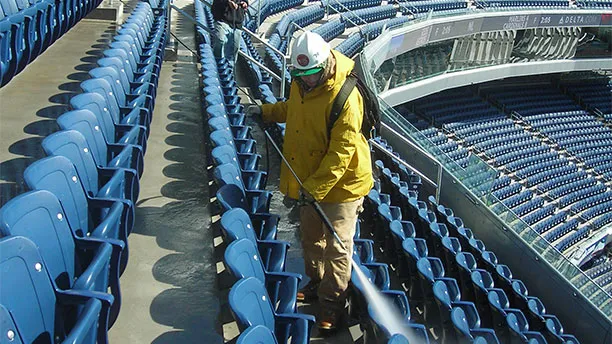
Photo: stadium cleaning crew night shift empty seats, via cityscapesolutionsinc.com
Third Shift, Second Wallet
The last fan at Bitcoin Football Cup venues is usually out the gate by 10:45. The people who stay behind — sweeping section aisles, hosing down concourses, breaking down nacho stations — are there until well past midnight. And lately, a chunk of their pay is arriving in something most of them couldn't explain to a referee: sponsor-issued fan tokens.
The arrangement is simple on paper. Cup sponsors, the same crypto brands plastered across LED boards and corner flags, have been quietly kicking a percentage of hourly wages to stadium staff in their own branded tokens. The pitch, as delivered by venue managers, goes something like this: hold them, because when the tournament wraps and the tokens unlock, they could be worth something.
"Could be" is doing a lot of heavy lifting in that sentence.
The Swapping Circles
What nobody at the sponsors' marketing meetings planned for was the trading floor that formed in the loading dock of a Texas venue in mid-June. A concessions supervisor named Ray — twenty-two years pushing pretzels and fountain drinks — describes it as "fantasy football, but with money we already earned."
The rules of these informal circles are remarkably consistent from city to city. Workers who got loaded up on one sponsor's token because that brand covered their section of the stadium will trade with a coworker who received a different sponsor's allocation. One ticket-taker might swap 500 tokens of a prediction-platform coin for 300 of a wallet-app coin, based entirely on gut feel, group-chat chatter, and which sponsor ran the flashiest halftime giveaway.
There's no exchange. There's no app. There's a whiteboard in one stadium's break room, and in another venue, a Google Sheet maintained by a parking-lot attendant who, it turns out, used to trade baseball cards at a shop in Queens and treats this as exactly the same discipline.
"Some of these tokens are the 1989 Upper Deck of sponsor coins," Ray told us. "Everybody wants them, nobody knows if they're real."
Three Workers, Three Ledgers
We tracked three crew members across the Cup's venue circuit to see how the experiment is actually landing.
Ray, concessions, Texas. He's the de facto market maker of his loading-dock circle, holding a diversified basket of four sponsor tokens he's rebalanced twice since group stage. His position: tokens are a bonus, not a wage. "I cash my check, I sweep my floor, and the tokens are lottery scratchers I got for showing up."
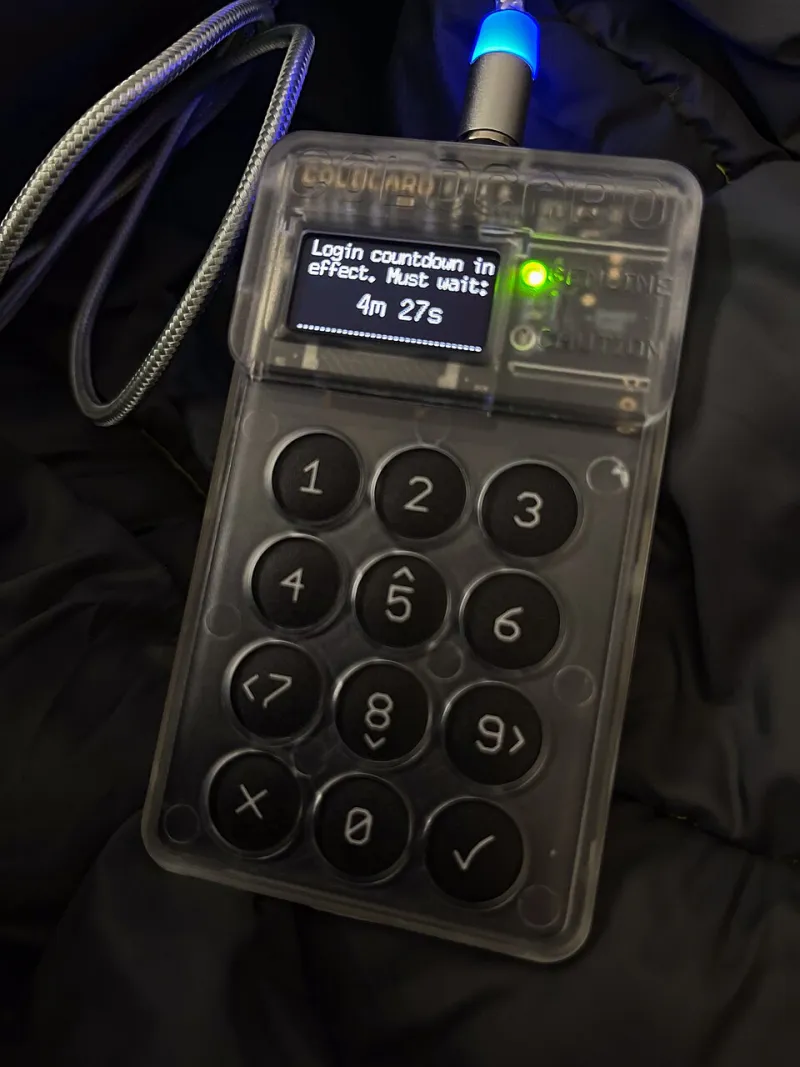
Denise, cleaning crew lead, Ohio. She's a hold-at-all-costs believer. Denise has sold exactly none of her allocation and keeps her seed phrase written on the back of a laminated stadium map. Her vesting date is three weeks after the final, and she's already planning how she'd spend a payout — "a real vacation, first one since 2019."
Marcus, parking and gate staff, Nevada. He's the skeptic, and honestly, the most interesting one. Marcus took his tokens, watched the sponsor's chart, and immediately tried to trade the whole stack for a coworker's share of a different, more liquid coin. He got turned down twice. "Nobody wants to hear that their favorite sponsor might be a pump and dump. It's like telling a guy his kid's a bad pitcher."
Upgrade or Mirage?
The honest answer is that it's both, depending on which shift you ask.
The case for upgrade: gig work has always paid in flexibility and little else. Getting exposure to an asset that might appreciate — even speculative appreciation — is technically more than a typical stadium contract ever offered. A few workers told us they learned what a wallet was, what vesting means, what a chart looks like. That's financial literacy by osmosis, and it's not nothing.
The case for mirage: most of these tokens have no liquid market, no stated use case beyond sponsor giveaways, and vesting schedules that stretch past the point where anyone will remember the Cup happened. If a sponsor's token unlocks to zero demand, the worker who traded real hours for it took a pay cut dressed up as a perk. Labor advocates have already started asking whether paying wages in proprietary assets skirts wage laws in states like California, where payment-in-kind rules are strict.
What Happens at Unlock
The first real test comes after the final whistle. When vesting windows open, thousands of crew members across the Cup circuit will be able to move tokens that, until now, have been little more than digital trophies in a break-room whiteboard economy.
Ray's prediction? "Half of everybody's going to sell the second they can, the chart's going to look like a slide at a water park, and Denise is going to be the only one smiling. Or she's going to be the only one crying. Coin flip."
Either way, the swapping circles will keep meeting. The whiteboard's already up for next season.
If you've worked a Cup venue and gotten paid in sponsor tokens, the newsroom wants to hear from you.