Six Feet of Sod and One Private Key: The Club That Buries Its Championship Bitcoin Under the Pitch
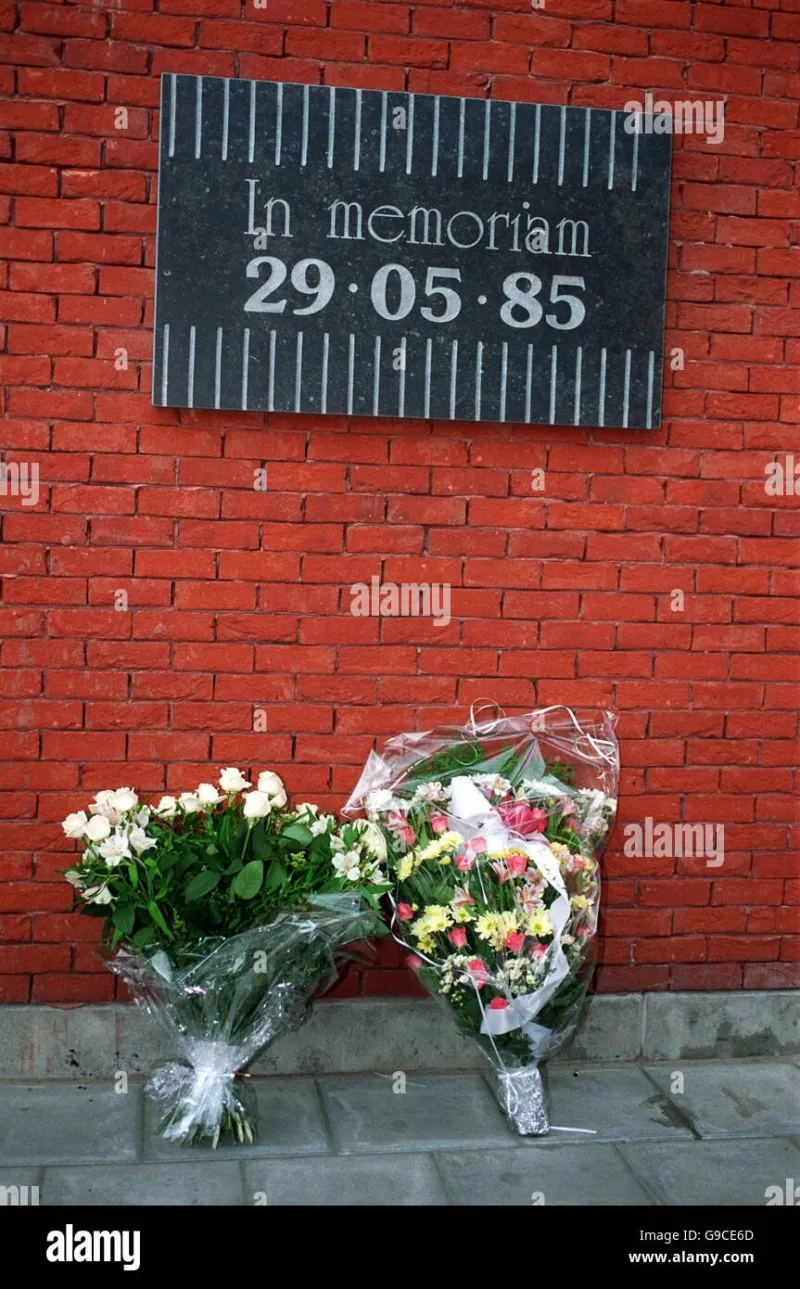
Photo: bitcoin orange plaque memorial garden soccer stadium flowers, via c8.alamy.com
There are trophy rooms. There are display cases with climate control and insurance policies stapled to the wall. And then there's Riverside Athletic Club of Dayton, Ohio, which keeps its entire Cup prize fund in a hardware wallet buried under a memorial garden beside the east stand.
Not a metaphor. An actual cold storage device, sealed in a waterproof case, resting roughly two feet beneath a bed of marigolds and a small stone marker for the club's founding members. The only hint that anything of value sits below is a bitcoin-orange plaque the size of a dinner plate that reads: The fund stays where the trophy was won.
How a Title Run Turned Into a Burial Ceremony
The story starts three seasons ago, when Riverside — a semi-pro side that qualified for the Bitcoin Football Cup through a regional play-in — went on the kind of run that makes local papers write headlines they'll reprint for decades. They beat a team from Austin in the quarterfinal. They knocked out a Portland club that had spent more on fan token airdrops than Riverside's annual budget. Then they won the final on penalties, and the prize pool — denominated in bitcoin, per Cup rules — landed in the club's treasury.
What happened next is the part fans still argue about at the concession stand.
The club's board, a five-person group that meets in the back room of a bowling alley, voted 3-2 to take the winnings offline. Completely offline. Not an exchange, not a multisig with a custody provider. A hardware wallet, loaded once, never connected to the internet again. And rather than stash it in a safe-deposit box, club captain Marcus Oyelaran reportedly suggested the pitch itself.
"We won it on this grass," he told supporters at the season ticket meeting. "Seemed rude to keep it anywhere else."
The Three-Key Problem, Solved With Geography
The wallet's seed phrase was split using a multisig arrangement that would make a security auditor nod approvingly — or wince, depending on how much they like complications. Three keyholders hold shares of the recovery phrase, and no two of them live in the same state.
One is the club treasurer, who runs an HVAC business in suburban Dayton. One is a retired schoolteacher who moved to her sister's place outside Boise. The third is a former club chairman now working in Savannah, Georgia. Reconstructing the fund requires all three, or two of them plus a court order, which is the kind of sentence that gets written on a whiteboard in the treasurer's office and never erased.
The logistics are absurd and, everyone involved admits, kind of the point. Riverside could move the fund to a custodial platform tomorrow and save itself the hassle. But the burial — and the scattered keys — have become the club's identity. Season ticket holders joke that the team plays harder because its money is literally under their feet.
Pilgrimage Season at the Marigold Garden
Here's where the story stops being a security anecdote and starts being a fan phenomenon. The plaque has become a destination.
On match days, there's an unofficial ritual: away fans get pointed toward the garden before kickoff, snap a photo with the plaque, and rub it for luck the way players touch the banner at a college football stadium. During last season's group stage, a fan road-tripping from Kansas City detoured six hours specifically to see it, posted the photo, and kicked off a small wave of copycat visits. The club leans into it — the team shop sells a commemorative pin shaped like the plaque, and the groundskeeper has standing orders to replant the marigolds if foot traffic gets heavy.
Rival supporters, naturally, have opinions. After a heated knockout match two seasons back, the visiting club's fan podcast ran a segment titled "They Bury Their Money Like Squirrels," which Riverside fans immediately printed on a t-shirt. The shirt outsells every jersey in the store except the home kit.
Superstition or Sound Strategy? Ask Both Sides
Skeptics in the crypto crowd have a fair point: a hardware wallet under a flowerbed is security theater wrapped in sentiment. The seed phrase is the real asset, and the buried wallet is mostly a symbol — a very deliberate, very photogenic one. Fire, flooding, or an overzealous groundskeeper with a rototiller could all theoretically end the wallet itself, though the fund would survive as long as the keyholders held their shares.
Defenders counter that the symbolism is the strategy. The arrangement makes spending the fund nearly impossible on impulse, forces any withdrawal into a months-long coordination between three people in three time zones, and ties the club's finances to a physical place fans can visit. It's the most fan-aligned treasury policy in the Cup, whether or not any auditor would sign off on it.
The board, for its part, has no plans to dig anything up. A second Cup title would presumably mean a second wallet, and there's an ongoing (half-joking) debate about whether the north stand deserves its own garden.
Until then, the marigolds keep growing, the plaque keeps its shine, and somewhere beneath the flowers sits a prize fund that has outperformed most of the Cup's sponsor tokens without moving an inch. In Dayton, that's not a bug. That's home field advantage.