When the Blockchain Breaks the Tie: Inside the Cup's Most Controversial Rule

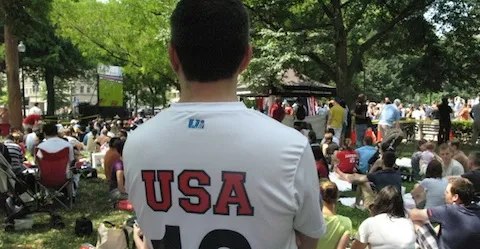
Photo: Dɐ, CC0, via Wikimedia Commons
Picture this: two teams battle through 120 minutes of knockout football, both benches are out of substitutions, and the stadium is bracing for the dreaded coin flip of penalty drama. Except at the Bitcoin Football Cup, there's no coin flip. There's a wallet.
Welcome to the Halving Derby — the Cup's unofficial tiebreaker and the single most argued-about rule in the tournament's short, chaotic history.
The Rule Nobody Saw Coming
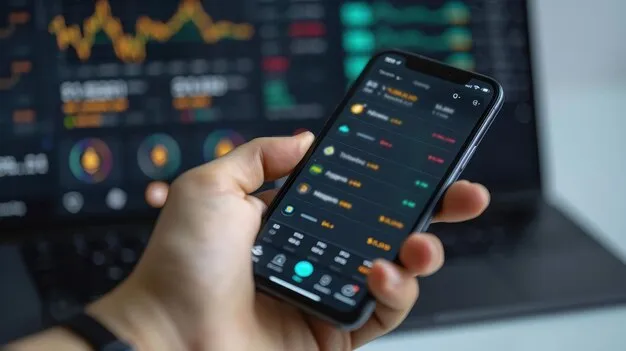
Here's how it works. If a knockout match ends level after extra time, the winner isn't decided from the spot. Instead, tournament officials look at the two fan bases' official prediction pools and measure how much Bitcoin each community moved into — and around — the pool during the 24 hours before kickoff. Whichever fan base put more on-chain skin in the game advances. Simple. Wildly controversial. Very crypto.
The rule was born almost by accident. During the Cup's first season, organizers needed a tiebreaker for a group-stage match that streaming delays made impossible to resolve in real time. Someone joked on the tournament's Discord that the fans had already voted with their wallets. The joke became a rulebook footnote, and the footnote became the most marketing-friendly quirk in the sport.
Genius Marketing or Gimmick?
Let's be honest about what the Halving Derby actually is: a content machine. Every time a match goes to a wallet tiebreak, the story writes itself. Clips circulate on X. Prediction pool volume spikes for the rematch. Sponsors love it, and the Cup's social team has leaned into it hard, complete with live "wallet watch" graphics during extra time.
But critics — and there are many, including more than a few players — argue the rule cheapens the game. "You can't buy your way past a quarterfinal," one veteran midfielder told our crew after last season's derby controversy. "The fans can, apparently."
There's a real fairness problem, too. Fan bases with deeper crypto pockets have a structural advantage. A club backed by a whale-heavy community can effectively bankroll its way through a shootout, while a smaller but no less passionate fan base gets sent home. That's not sentiment; that's liquidity.
Can a Wallet Measure Passion?
Here's the uncomfortable question at the heart of it all: does moving more Bitcoin really mean caring more? Anyone who's been to an MLS tailgate or a college football rivalry game knows passion doesn't always correlate with disposable income. A fan base of ten thousand diehards who each throw in $20 might be louder, prouder, and more committed than a community where one wallet moved 15 BTC on a whim.
Then again, defenders of the rule make a decent point: it's transparent, it's on-chain, and it's impossible to dispute. Nobody argues about whether a handball happened in the box. The blockchain doesn't miss.
Our Verdict
Count us cautiously in the "genius marketing with an asterisk" camp. The Halving Derby is undeniably fun, undeniably on-brand, and undeniably the reason half of America has heard of this tournament. But it works as a garnish, not a main course. If knockout matches start routinely being decided by whale wallets instead of players, the Cup risks becoming exactly what its critics claim: a marketing stunt wearing a football kit.
Our suggestion? Keep the Derby, but cap its use — one tiebreak per team per tournament, maximum. Let the players decide the rest. The beautiful game deserves at least that much.